Mental Performance Training Built for Figure Skaters
Hi, I’m Colleen
former competitive figure skater, Registered Psychotherapist, and founder of Performance Positive.

I created Performance Positive because I know firsthand that being able to do the skills and being able to perform those skills under pressure can feel like two completely different things.
A skater can land their jumps all week in practice, feel confident during run-throughs, and know they're prepared, only to arrive at competition and suddenly feel like everything has changed.
Their heart is racing. Their legs feel heavy. Their thoughts won't slow down. They start questioning skills they've done hundreds of times.
And then comes the frustrating question:
“Why can't I just skate the way I do in practice?”
That's exactly where Performance Positive comes in.
I Understand Figure Skating Because I've Lived It
Figure skating has been part of my life for as long as I can remember.
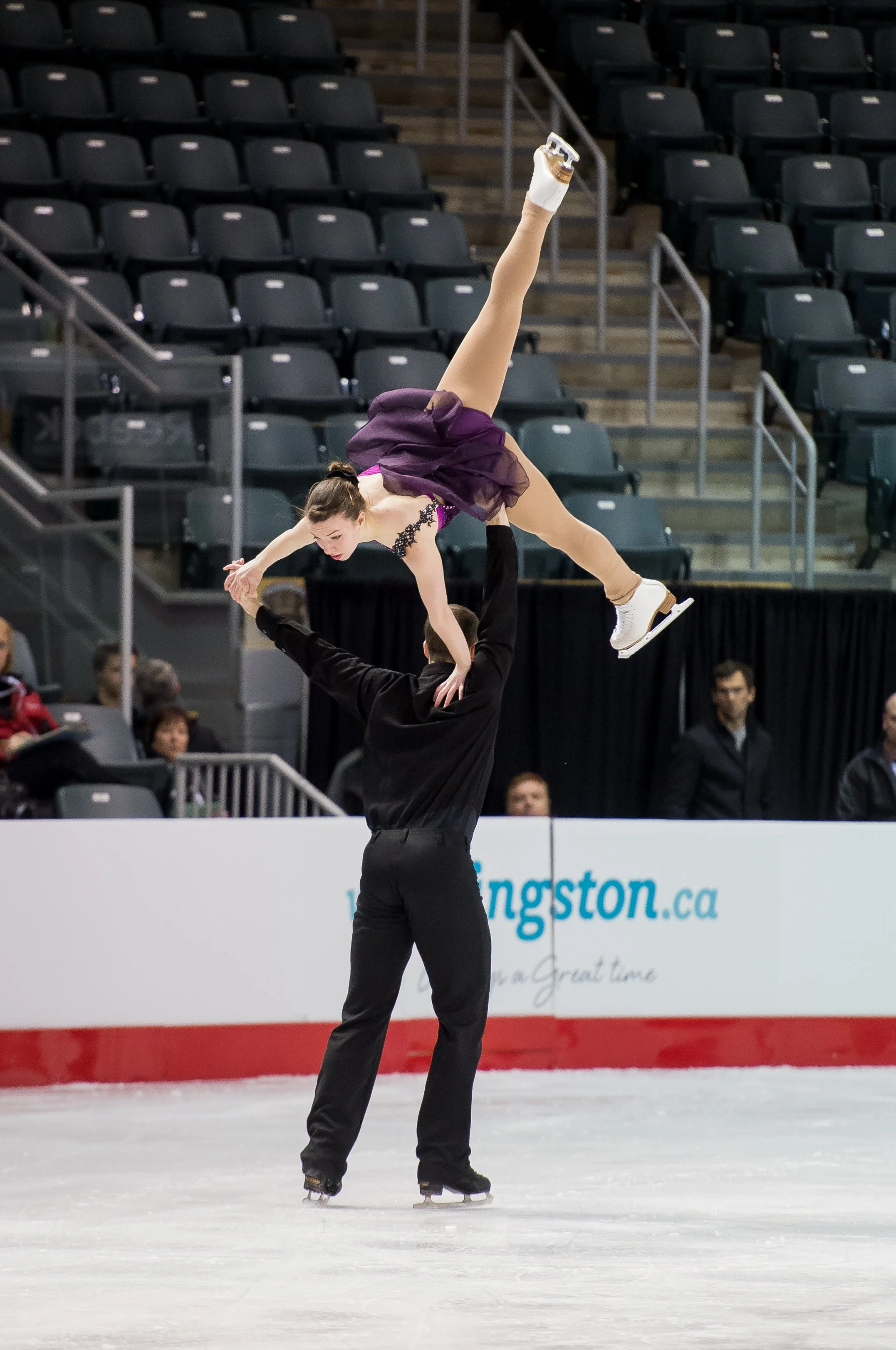
I grew up as a competitive figure skater, competing in both singles and pairs and reaching the national level in pairs. I've experienced the freezing rinks, countless repetitions, exciting breakthroughs, frustrating practices, competition nerves, and enormous amount of work that happens behind a few short minutes on competition ice.
I also know how deeply personal this sport can feel.
When you've spent hours training something, it's incredibly frustrating to know you're capable of doing it and then feel like your confidence disappears the moment the pressure increases.
After a career-ending ACL injury changed the direction of my own skating, my interest increasingly shifted toward understanding the psychological side of sport.
Why do some athletes thrive under pressure while others struggle?
Why can confidence feel so strong one day and disappear the next?
And most importantly:
Can athletes train their minds to respond differently?
The answer is yes.
Where Figure Skating Meets Sport Psychology
My experiences as an athlete eventually led me to pursue a Master of Science in Sport and Exercise Psychology, followed by a Master of Arts in Counselling Psychology.
Today, I'm a Registered Psychotherapist in Ontario with a professional background in mental health, sport psychology, athlete wellbeing, and evidence-based psychological strategies.
Performance Positive brings those worlds together.
My approach combines an understanding of the unique demands of competitive figure skating with evidence-informed principles from sport psychology, neuroscience, cognitive behavioural strategies, emotional regulation, attentional control, confidence development, visualization, and performance routines.
But this isn't about turning skaters into psychology experts.
It's about translating the science into simple, practical mental skills they can actually use at the rink.
What do I do when my heart starts racing before I compete?
How do I stop one mistake from ruining the rest of my program?
What can I say to myself when doubt starts creeping in?
Where should I focus while I'm waiting for my name to be called?
How can I feel nervous and still skate well?
Those are the skills I want athletes to leave Performance Positive knowing how to use.